Torn between Brickell’s skyline energy and Coconut Grove’s leafy, waterfront calm? You’re not alone. Many Miami condo buyers feel the same pull between high-rise convenience and village-style living. In this guide, you’ll compare daily rhythms, amenities, costs, transit, and due diligence steps so you can choose confidently. Let’s dive in.
Quick snapshot: two condo lifestyles
Brickell puts you in a dense, high-rise financial district with 24/7 access to restaurants, shopping, and transit. You get serious on-site building amenities and car-optional living.
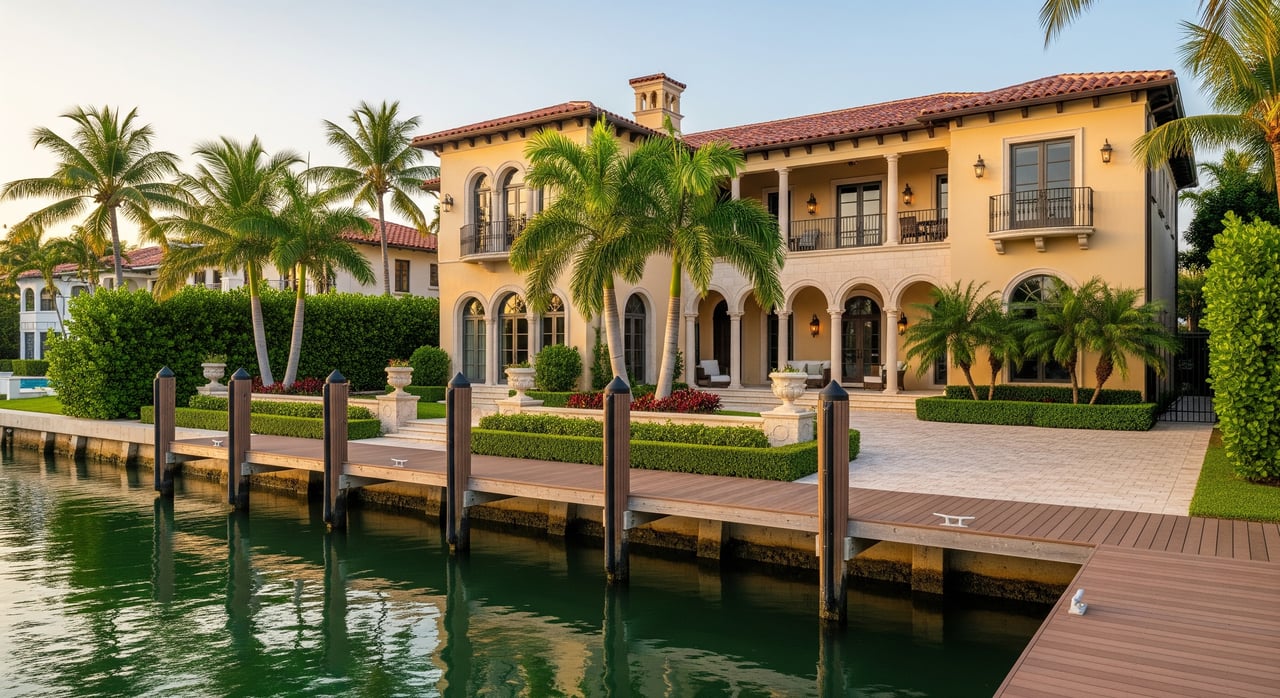
Coconut Grove gives you a tree-lined village with marinas, parks, and a slower evening tempo. You trade some tower amenities for waterfront access and a neighborhood main street.
Lifestyle and vibe
Brickell: urban, vertical, and energetic
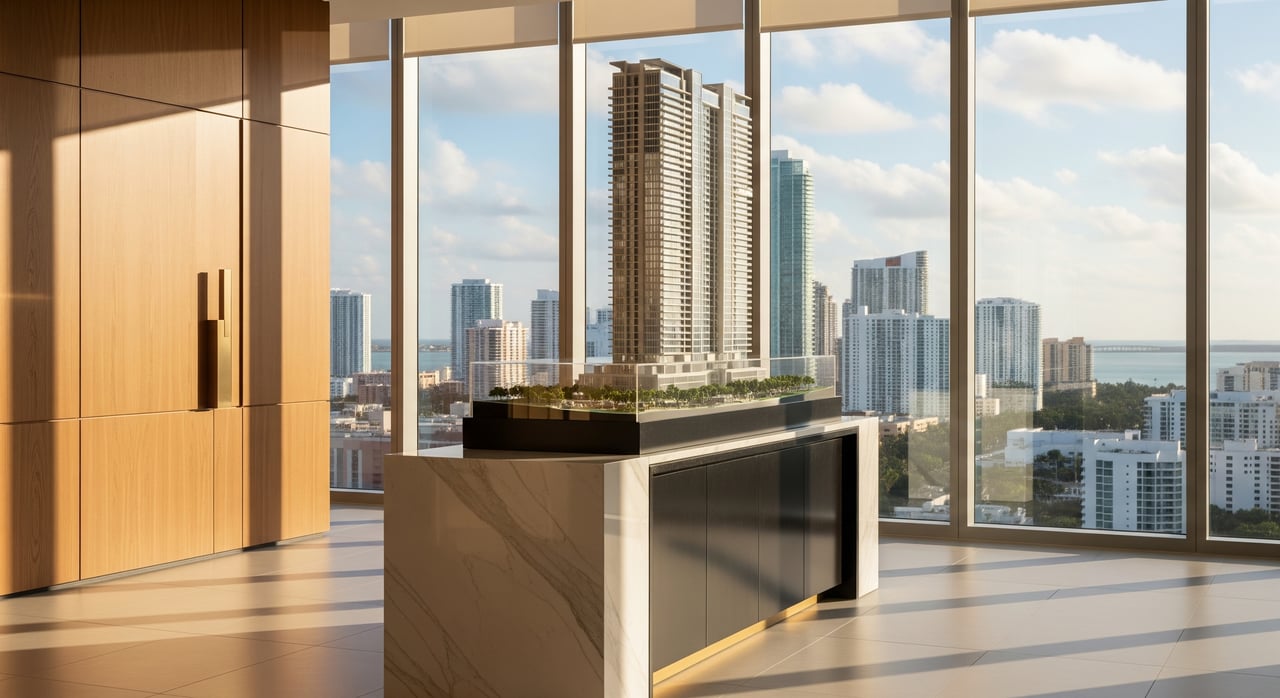
Brickell’s skyline is packed with newer glass towers, luxury developments, and mixed-use blocks. Street life stays busy into the evening with a high concentration of restaurants, bars, and retail. You’ll see commuters during the day and a lively pedestrian scene at night. If you enjoy metropolitan living and quick access to everything, Brickell fits.
Coconut Grove: village feel and waterfront access
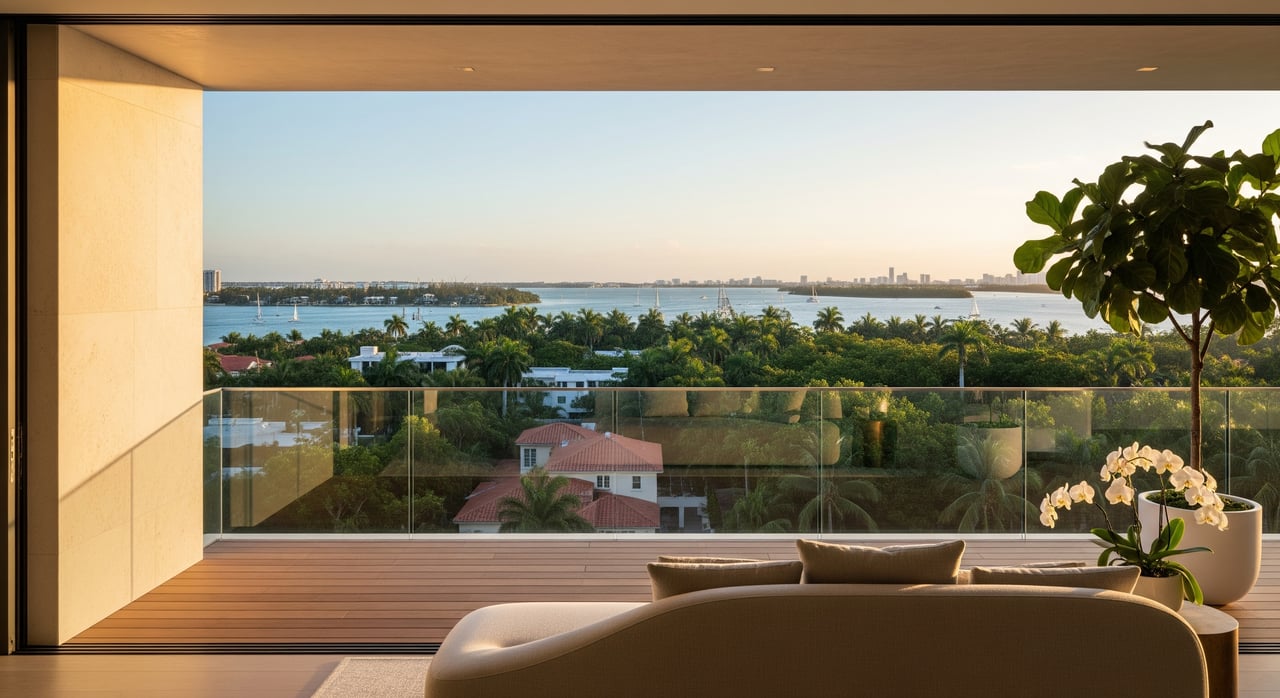
Coconut Grove leans lower-rise and leafy, with a historic canopy, independent shops, and a walkable village center. You’ll find weekend markets, art galleries, and a strong outdoors culture tied to Biscayne Bay. Marinas and parks shape the lifestyle, and evenings tend to be quieter. If you want neighborhood intimacy and easy access to the water, the Grove fits.
Amenities and daily convenience
Brickell: on-site perks and transit at your door
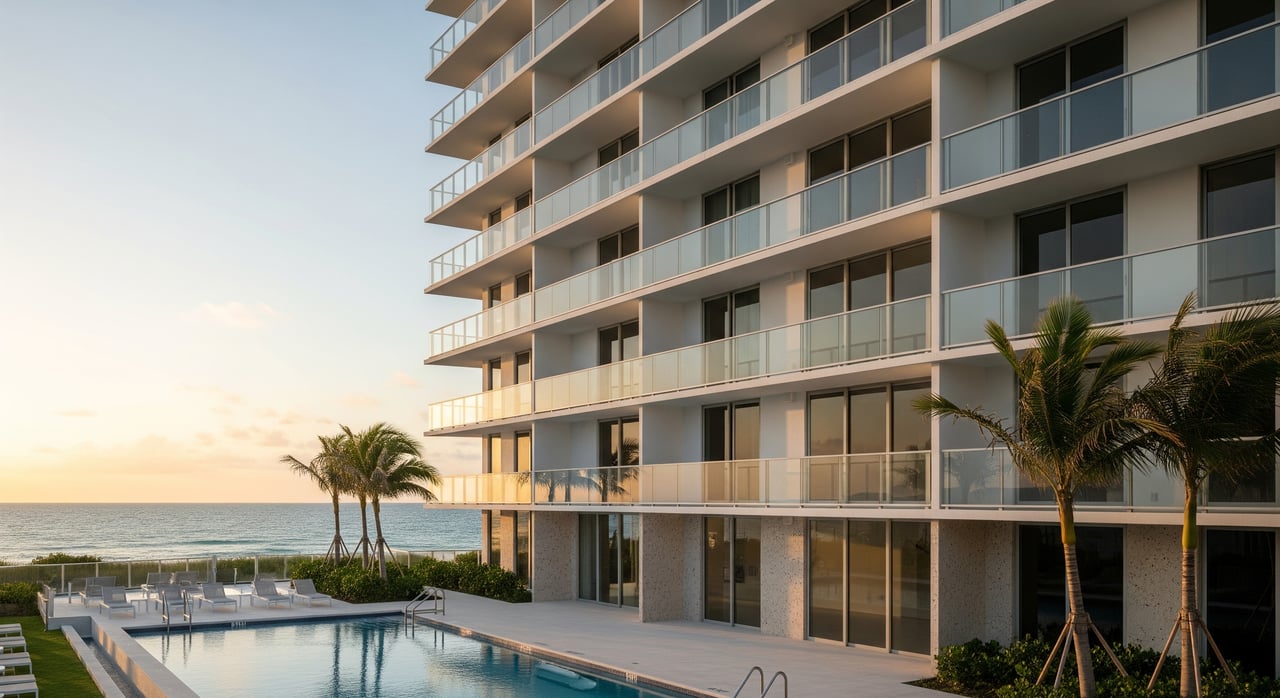
Many Brickell towers deliver robust amenities: concierge, valet, co-working, fitness centers, and rooftop pools. The restaurant scene is strong, and Brickell City Centre anchors your shopping needs. Transit is a major advantage, with seamless connections to Metrorail and Metromover that make car-free commutes realistic.
Coconut Grove: parks, marinas, and village retail
In the Grove, lifestyle amenities are woven into the neighborhood. Cocowalk anchors boutique shopping and dining. You can spend weekends at Peacock Park or Barnacle Historic State Park, or get on the water from local marinas. Buildings may be less amenity-heavy than Brickell, but outdoor options and village conveniences are a short walk or bike ride away.
Ownership costs and condo fees
HOA structures and monthly fees
- Brickell: Towers with 24/7 services and resort-style facilities often come with higher monthly fees to support staffing and maintenance.
- Coconut Grove: Older mid-rises may have lower monthly fees, but smaller buildings can face less economies of scale and potential capital projects.
Always request the association’s operating budget, reserve study, recent meeting minutes, and special assessment history. Low reserves or repeated assessments are red flags. Ask for the master insurance certificate and understand what the building policy covers versus what you must insure inside your unit.
Taxes and homestead basics
Property taxes are set by Miami-Dade County. Owner-occupants may qualify for the homestead exemption and Save Our Homes cap. Non-homestead or investor-owned units are taxed differently. Verify your estimate through the county property appraiser before you commit.
Flood, wind, and insurance considerations
Both neighborhoods sit near Biscayne Bay and include areas in FEMA flood zones. Flood exposure and windstorm risk can influence insurance requirements and premiums. For any building you consider, review the FEMA flood zone designation, the site’s elevation, and the presence of impact glass or shutters. Obtain actual insurance quotes early, since Florida’s coastal insurance market can shift quickly.
Building condition and safety checks
Miami-Dade requires periodic structural safety recertification, which can trigger repair projects and special assessments in older buildings. Review the latest engineering reports, recertification status, reserve balances, elevator condition, and any planned façade or balcony work.
Commute, traffic, and noise
Transit and commuting
- Brickell: You have immediate access to Metrorail and Metromover for quick trips around downtown and connections across the metro. It’s a strong choice if you want a shorter, car-light commute.
- Coconut Grove: The neighborhood is served by the Coconut Grove Metrorail station and bus routes, though options are less concentrated. Many residents drive or bike depending on the pocket.
Parking and daily tempo
- Brickell: Car ownership is optional, but parking can be costly. Expect heavier traffic and more late-night activity.
- Coconut Grove: Pockets are very walkable. Weekend parking near retail strips can be tight, but evenings are generally quieter.
Who each neighborhood fits
Choose Brickell if you prioritize:
- High-rise living with on-site luxury amenities and concierge-style services.
- A compact radius of restaurants, nightlife, and shopping.
- Strong transit options and shorter commutes to urban job centers.
- Willingness to pay higher monthly HOA fees for convenience.
Choose Coconut Grove if you prioritize:
- Village ambience, mature tree canopy, and waterfront parks and marinas.
- Lower- to mid-rise buildings and a quieter evening rhythm.
- A neighborhood feel with independent shops and community events.
- Tradeoffs like fewer on-site amenities and more variability in building ages.
Due diligence checklist for any condo
Use this practical checklist during your search and before you make an offer:
Financial and HOA documents
- Current year operating budget and the last 2–3 years of budgets
- Latest reserve study and current reserve balance
- Minutes from the last 6–12 months of board meetings
- Master insurance certificate and deductible; what the building policy covers vs. your interior
- Litigation disclosure, rental rules, pet policy, and recent or pending special assessments
Building condition and safety
- Most recent structural or engineering assessment and recertification status
- Age of the building, last major renovation, and any known façade, balcony, pool deck, or garage issues
- Elevator condition and any scheduled replacements
Flood, storm, and resiliency
- FEMA flood zone and base flood elevation for the site
- History of flooding in ground-level areas or first-floor units
- Presence and age of impact glass or shutters
Lifestyle tests during tours
- Visit evenings and weekends to assess noise
- Test your commute during peak times
- Map grocery, pharmacy, parks, and restaurants you expect to use
- Check storage, assigned parking, guest parking, and package handling
- Ask about elevator wait times and backup power policies
Legal and tax items
- Verify taxes, homestead eligibility, and millage rate with the county
- For investors, review city and county short-term rental rules and taxes
- Consult a local real estate attorney if you uncover major red flags
Investor notes and rental rules
Both neighborhoods attract investors, but results depend on association bylaws and local ordinances. Many buildings prohibit short-term rentals or limit lease frequency and durations. Before you bank on rental income, confirm the condo’s rental policy, minimum lease terms, and any local restrictions. Rules and enforcement can change, so verify details close to your purchase date.
Insurance, flood exposure, and building condition also affect net returns. Obtain insurance quotes, review reserve levels, and check for capital projects that could lead to assessments. If rental flexibility is essential to your strategy, prioritize buildings with clear, investor-friendly rules in writing.
How to choose your shortlist
Define your top three priorities. Is it transit access, waterfront proximity, or on-site amenities? Rank them and use that to filter buildings.
Test the daily rhythm. Visit Brickell and the Grove on a weeknight and a weekend afternoon. Listen for noise, check traffic, and walk to everyday errands.
Compare hard costs early. Request HOA budgets, recent assessments, and insurance quotes. Include parking, storage, and potential capital projects in your ownership model.
Verify risk items, not just lifestyle. Confirm flood zone and elevation, recertification status, and any open or planned structural work.
Make a clear call. If you want vertical convenience and car-light living, lean Brickell. If you want a calmer, waterfront-oriented lifestyle with a village main street, lean Coconut Grove.
Ready to compare actual buildings, review HOA docs, and model your ownership costs side by side? Connect with Juan Jaramillo to shortlist the right towers, access preconstruction options, and plan your purchase with confidence.
FAQs
What is the main difference between Brickell and Coconut Grove condo living?
- Brickell offers dense, high-rise living with strong transit and on-site amenities, while Coconut Grove offers a village feel with parks, marinas, and a quieter evening tempo.
Are HOA fees typically higher in Brickell condos?
- Often yes, because many Brickell towers include 24/7 services and resort-style amenities that require higher staffing and maintenance budgets.
How does flood and storm risk compare in these neighborhoods?
- Both include areas in FEMA flood zones near Biscayne Bay; verify each building’s flood zone, elevation, and storm protections, and obtain insurance quotes before deciding.
Can I live car-free in Brickell or Coconut Grove?
- Brickell is more conducive to car-free living due to Metrorail and Metromover access; Coconut Grove has transit options but many residents also drive or bike.
What should investors verify about rentals in Brickell and Coconut Grove?
- Confirm condo bylaws and local rules for lease terms and short-term rentals, review reserves and assessments, and get insurance quotes to understand true net returns.