You have probably seen Brickell towers sell out in phases before you even get a tour. If you are weighing a second home or an investment, that can feel frustrating. The good news is the allocation process is predictable once you know the rules. In this guide, you will learn how reservation lists, deposit schedules, and tiered access actually work in Brickell, plus how to position yourself for earlier access and better terms. Let’s dive in.
Why allocations matter in Brickell
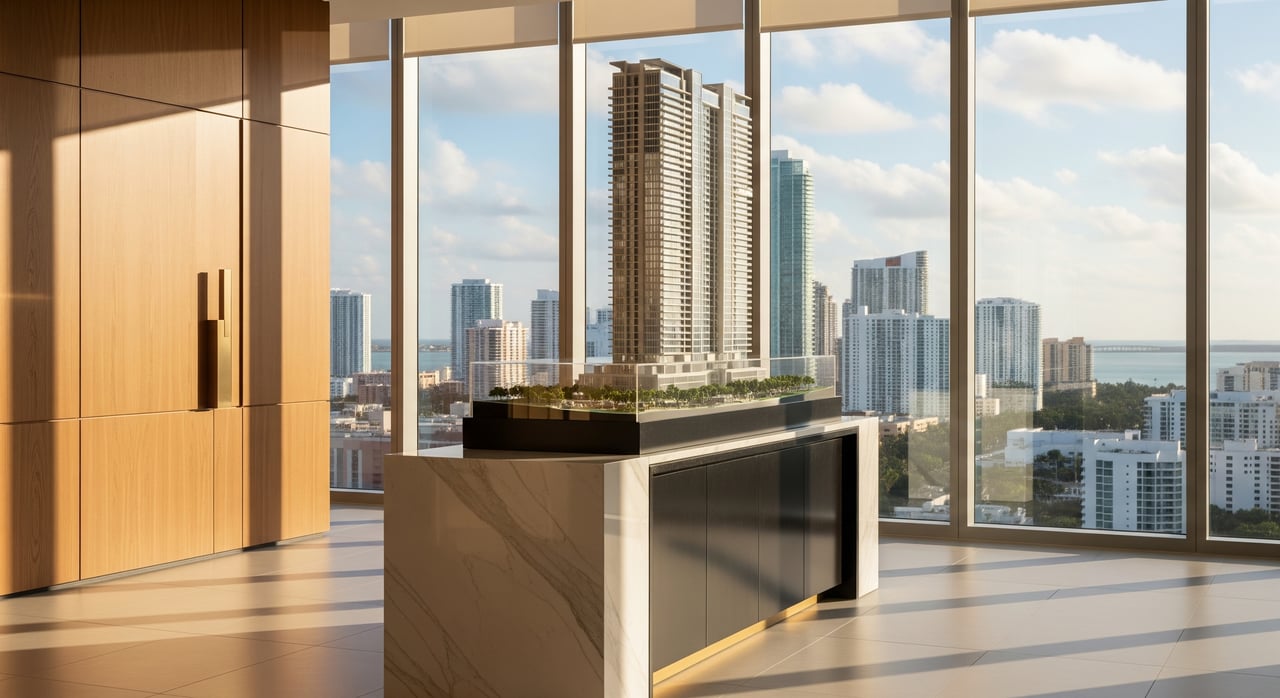
Brickell is Miami’s dense urban core for high-rise condos, with frequent new launches aimed at domestic and international buyers. Developers manage sales in stages, and those stages set your price, the floor and stack you can choose, parking or storage options, and when you can actually occupy. All of that affects returns, rental timing, and second-home planning.
Allocation also ties into financing and resale. Lenders look at presale progress and ownership limits when deciding if a building is eligible for conventional or agency financing. That means what happens in the early phases can influence your loan options and exit strategy later. Planning around these rules gives you more control.
How developers allocate inventory
Typical release tiers
- VIP or founders phase: Before the public hears about a project, a small group gets first pick. This can include early investors, past clients, trade partners, and buyers who join the VIP list. Pricing may be more favorable and initial deposits can be lighter in some cases.
- Broker preview: Developers often give preferred brokers a first look or a defined allocation for their clients. Access depends on the developer’s relationships.
- Public launch: Remaining units go to the broader market. Prices are often higher and the best stacks might be gone.
- Floor or stack releases: Within any phase, towers are released by sections. A “stack” is a vertical column of similar units. If you are on a reservation list, you are notified when your preferred stack opens.
- Waitlists and cancellations: If a buyer cancels, units are usually offered to the waitlist or by broker order. For coveted lines, this is often your only shot after early phases close.
How priority is assigned
- First-come vs qualified buyer: A reservation puts you in line, but priority often goes to whoever signs the contract and wires the required deposit first. Developers set these rules in writing.
- Broker relationships: Developers commonly allocate inventory to preferred brokers and partner firms. Being aligned with the right advisor can move you up the list.
- Investor vs end-user policies: Some projects set different priorities or pricing for investors and end-users. The policy, if any, is disclosed in the sales process.
Transparency and disclosures
Sales procedures, queue rules, and allocation criteria should be spelled out in marketing materials or the public offering statement and contract addenda. Ask for written sales procedures before you place any money. If a lottery or tie-breaker is used, request the mechanism and the timeline in writing.
Reservation lists, contracts, and deposits
Reservation vs binding contract
A reservation is a temporary hold created with a short form and a modest deposit. It typically gives you a window to move into a binding contract. Sometimes the reservation deposit is refundable, and sometimes it converts to the first contract deposit. Read the reservation terms closely.
The purchase and sale agreement (PSA) is the binding document. It controls the deposit schedule, timing, assignment rights, and remedies, and it references the public offering statement and association documents. Treat this as your rulebook.
Deposit schedules you can expect
In South Florida, developers commonly collect a total of about 20 to 30 percent of the purchase price in stages before closing. The exact schedule varies by project. You will often see installments due at:
- Contract signing
- 30 to 90 days after signing
- Start of vertical construction
- Other milestones like topping off or certificate of occupancy
Some projects take smaller amounts early and larger sums later. Others front-load deposits. Always confirm the exact schedule in writing before you commit.
Escrow, refunds, and Florida disclosures
In Florida, new condo buyers receive a public offering statement with key disclosures, including estimated completion and buyer protections. Your PSA will state where deposits are held, often with a title company as escrow, and under what conditions they can be refunded. Early deposits may be refundable in a short review window, while later deposits are often non-refundable except under defined triggers such as certain permitting failures or developer default.
If you are an investor who may sell before closing, confirm assignment rights in the PSA. Some developers allow assignments with fees or caps, and others prohibit them.
Timelines, financing, and the levers you can pull
Typical build timelines in Brickell
The path from launch to occupancy usually moves through marketing and reservations, contracts, permitting and groundbreaking, vertical construction, topping off, finishes, and then certificate of occupancy and closing. High-rise timelines commonly run 24 to 48 months, but delays happen due to approvals, supply chains, labor, weather, or financing. Keep travel, financing, and rental plans flexible.
Financing and project eligibility
Some lenders underwrite presales, but terms depend on the project’s status and whether the condo will be considered warrantable at closing. Agency and conventional programs look at presale levels, owner-occupancy concentration, and single-entity exposure. If financing matters to your plan, speak with lenders who work in Miami new construction early in the process and track the project’s eligibility milestones.
Negotiation moves that work
- Position for early access: Align with a broker who has developer relationships in Brickell. Join the VIP list, attend previews, and be ready with proof of funds or a pre-approval. A stronger initial deposit can improve your spot when used thoughtfully.
- Reshape the deposit structure: Ask to stage more of your equity at later milestones or to define clearer refund triggers. Some developers will adjust when a credible buyer is ready to move quickly.
- Clarify closing and occupancy: Seek clear milestone definitions, a reasonable closing window, and limits on unilateral extensions. If you need certainty, push for defined remedies if critical dates are missed.
- Secure assignment rights: If you might resell before closing, negotiate the right to assign and understand any fees or caps.
- Add focused contingencies: Many developers resist broad contingencies, but you can often include limited protections, like final construction inspection items or a narrowly tailored financing clause if it is essential to your plan.
- Specify escrow handling: Request deposits sit with a neutral title company and tie refund triggers to clear conditions.
- Use specialized counsel: Have a Florida real estate attorney review the PSA and disclosures before you sign.
Practical timeline tactics
- If you need a defined move-in window, request a contractual substantial-completion target and a clear extension protocol. Accept reasonable weather or permitting allowances, but seek limits on open-ended extensions.
- If you are watching cash flow, try to push larger deposit tranches closer to major construction milestones. Developer flexibility varies.
Due diligence and risk controls
Key risks to evaluate
- Construction delay: Affects rental start dates and personal use planning.
- Financing limits: Changes in project eligibility or the lending market can reduce loan options at closing.
- Developer strength: Liquidity and track record matter for delivery timing.
- One-sided contract language: Heavy non-refundable deposits and broad amendment rights increase buyer risk.
- Association rules and costs: Rental policies, budgets, and assessments impact returns.
Checklist before you wire a deposit
- Obtain and review the PSA, public offering statement, sales procedures, full deposit schedule, escrow instructions, parking and storage plans, and the preliminary HOA budget and rental policy.
- Confirm exact deposit amounts, refund conditions, assignment rights, and anticipated closing and occupancy dates with extension rules.
- Speak with lenders about project eligibility and loan programs. Secure a pre-approval or prepare proof of funds.
- Have a Florida real estate attorney review the PSA and disclosure documents.
- Work with a broker who knows Brickell presales and the developer’s allocation style.
Step-by-step positioning plan for Brickell buyers
- Engage a Brickell-experienced broker early and get on the VIP or reservation list before public launch.
- Prepare proof of funds or a lender pre-approval so you can move from reservation to contract quickly.
- Review the deposit schedule with counsel and, if helpful, offer a stronger but well-protected initial deposit to improve allocation priority.
- Confirm assignment rules and rental policies if you are investing, and ask about the path to warrantable status for lending.
- Request the written sales procedures, including tie-breakers, waitlists, and any lottery details.
- Track construction financing and permits as practical indicators of schedule health.
Work with an advisor who treats this like capital
Preconstruction in Brickell rewards preparation, relationships, and clean execution. When you approach the process with an investor mindset, you can secure better stacks, protect your capital with clearer timelines and refund triggers, and set yourself up for a smoother close and rental or personal use plan. If you want an education-first strategy, developer access, and aligned lending guidance, connect with Juan Jaramillo to plan your allocation approach.
FAQs
Does a Brickell reservation list guarantee my first-choice unit?
- No. A reservation usually secures your place in line. Priority often goes to the buyer who signs the PSA and delivers the required deposit first, under the developer’s stated rules.
Are Brickell preconstruction deposits refundable?
- Early reservation deposits can be refundable within a short review window. PSA deposits may be refundable only under defined conditions. Always verify refund triggers in writing.
Can I finance a Brickell presale condo?
- Sometimes. Availability depends on your loan program and the project’s eligibility at closing, including presale levels and owner-occupancy metrics. Consult lenders early.
What happens if the developer delays occupancy in Miami?
- Most PSAs allow for delays. You can negotiate milestone definitions, extension limits, and targeted remedies, but many developers seek broad protections. Use counsel to manage risk.
Can I assign my Brickell presale contract before closing?
- It depends on the project. Some developers allow assignments with fees or caps; others prohibit them. Confirm the policy in the PSA.
How long from launch to closing for a Brickell tower?
- Many high-rise projects take about 24 to 48 months from sales launch to certificate of occupancy. Plan for variability due to permitting, labor, supply chain, or weather.