Have you heard about Miami Beach’s 40-year condo recertification and wondered what it means for your building or a condo you want to buy? If you own or plan to own in a coastal high-rise, this review can shape your budget, your financing, and your timeline to close. In this guide, you’ll learn what the recertification is, how the process works, typical timelines and costs, and the exact documents to review before you sign a contract or list your unit. Let’s dive in.
40-year recertification basics
A 40-year recertification is a municipal safety check for older buildings. A licensed engineer evaluates structural and life-safety conditions, then files a certified report with the local building department. The goal is to find and address deterioration before it becomes critical.
Most programs start when a building reaches 40 years from the original certificate of occupancy. Many places then require follow-up recertification at regular intervals, often every 10 years. Miami Beach and Miami-Dade County have their own requirements, so you should confirm specifics with the City of Miami Beach and the County before making decisions.
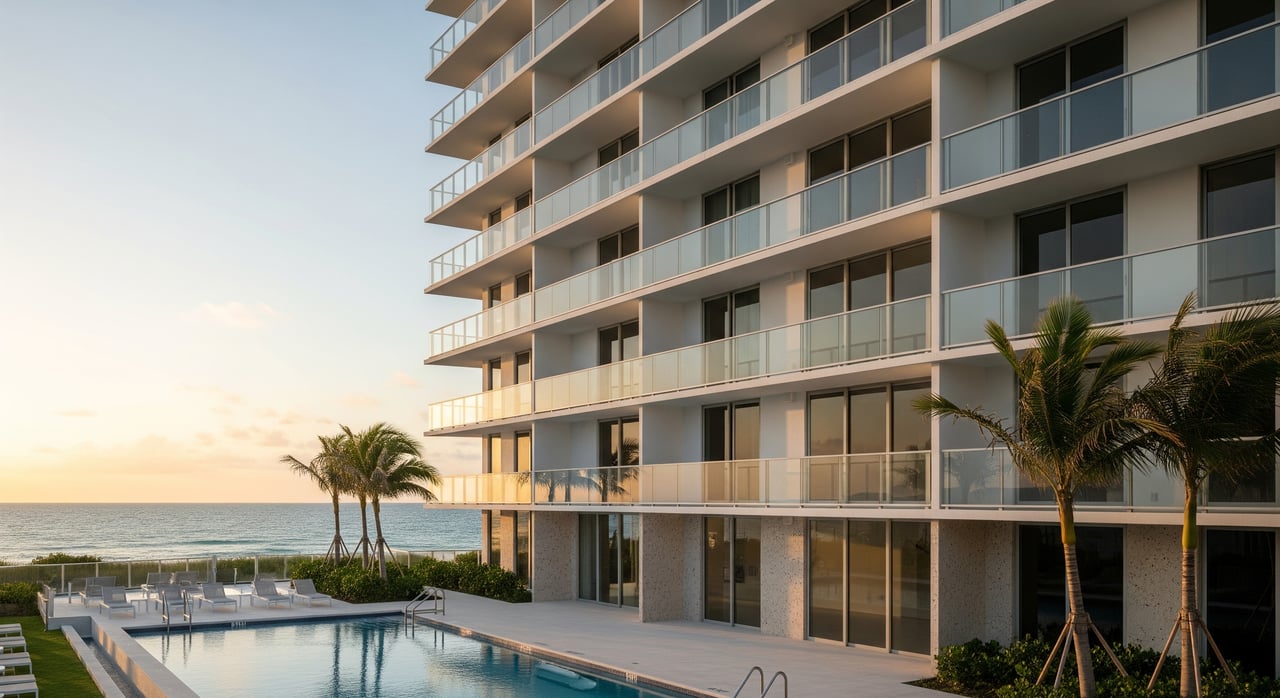
Coastal exposure matters in Miami Beach. Salt air speeds up corrosion in concrete and rebar, and older high-rises may show wear in parking garages, balconies and railings, roofs, and exterior walls. A recertification can uncover repairs that lead to special assessments, higher monthly fees, financing questions, and resale delays.
What inspectors evaluate
Licensed structural engineers lead the evaluation. Depending on conditions, specialists such as electrical engineers, roofing consultants, elevator inspectors, or waterproofing experts may also be involved. The final report is prepared and certified by qualified professionals and submitted to the building department.
Structural and envelope review
Expect a close look at concrete columns, beams, slabs, balconies, and parking structures. Engineers document corrosion, cracking, and spalling, then assess the building envelope and waterproofing, including roof systems, exterior walls, windows, and balcony membranes.
Life safety and building systems
The review may include life-safety items like egress, stairwells, emergency lighting, and fire-rated penetrations. Electrical and mechanical systems can be assessed as required or recommended by the jurisdiction.
What the report includes
A complete report typically features an executive summary on immediate hazards, photographic documentation, and a prioritized list of repairs with conceptual cost ranges. It should also outline recommended phasing and timelines, and state whether any emergency measures are needed.
Timelines you can expect
Every building is different, but the general process follows a predictable arc:
- Pre-inspection planning and document review: 1 to 4 weeks.
- Field inspection: several days to a few weeks, based on building size.
- Report preparation and submission: 2 to 8 weeks.
- Municipal review and acceptance: variable, sometimes weeks to months.
- If repairs are required, permitting, contracting, and construction can take months to years, depending on scope.
Municipalities can set deadlines for critical items. Immediate hazards may need quick correction, and non-urgent items often receive longer windows.
Cost ranges to plan for
Engineering, inspections, and reporting costs scale with the size and complexity of the building, the parking garage area, and any investigative testing.
- Small low-rise condo: a few thousand dollars.
- Mid-size high-rise: roughly $10,000 to $50,000.
- Very large complexes: $50,000 to $200,000+.
Repair costs vary widely. Minor waterproofing or balcony patching may be tens of thousands of dollars. Substantial concrete restoration, parking garage rehabilitation, structural strengthening, or full envelope replacement can reach hundreds of thousands to many millions. Coastal salt exposure increases the chance of higher repair budgets.
How it affects your wallet
A recertification often triggers an updated reserve study. If reserves do not cover recommended work, the association may levy a special assessment or raise monthly fees. Boards can also consider loans or bond-style financing, or a blend of these options.
Lenders and insurers pay close attention. Buildings with major unresolved repairs, litigation, or inadequate reserves may face tighter lending rules or higher borrowing costs. Some insurers could raise premiums or restrict coverage until critical repairs are finished. For resale, you should expect buyers to request the full engineering report, cost estimates, board minutes, and recent financials. Sellers should disclose status and funding plans clearly to avoid surprises during escrow.
Buyer due diligence checklist
When you evaluate a unit, request and read the building’s structural and financial documents. These items help you understand scope, timing, and funding.
- Most recent 40-year recertification report and any follow-up reports or engineering letters.
- Current reserve study and funding plan, plus recent reserve account statements.
- Detailed cost estimates and contractor bids for recommended repairs.
- Board minutes from the past 12 to 36 months that reference recertification, assessments, financing, or contractor selection.
- Current budget, year-to-date financials, and delinquency breakdown.
- Any special assessments, liens, or pending litigation tied to structural issues.
- Association insurance certificates and any insurer notices about coverage or rate changes.
- Permit and inspection history for repairs since original construction.
Key questions to ask
- Has the 40-year recertification been completed? When, and what were the primary findings?
- What repairs are required, what is the timeline, and how will they be funded?
- What is the current reserve balance and any projected shortfall?
- Have bids been obtained and has a construction manager or project engineer been hired?
- Are there liens, judgments, or pending claims related to structural defects?
- Are special assessments planned, and will monthly fees increase?
Red flags you should not ignore
- No completed report on file or missed municipal deadlines.
- Large unfunded repair estimates and low reserves.
- Ongoing or recent litigation tied to structural issues.
- Multiple large assessments in the building’s history.
- Visible deterioration like concrete spalling, exposed rebar, water stains, or sagging balconies.
- High homeowner delinquency rates.
Seller prep and strategy
If you plan to sell, gather the documents above before you list. Clear disclosure builds trust with buyers and can prevent delays later. If repairs or assessments are pending, your pricing and timing should reflect the scope and funding plan.
Work with your association to understand milestones and payment options. Some buyers may request credits or price adjustments if big projects are underway. Being proactive and transparent can protect your timeline and strengthen your negotiating position.
Owners and boards action plan
For boards and unit owners, the best approach is proactive:
- Engage a licensed structural engineer early to develop a thorough scope, realistic cost ranges, and a phased schedule.
- Update the reserve study to match the engineer’s findings and adopt a transparent funding plan.
- Obtain multiple contractor bids and consider staged work to address the highest risk items first.
- Communicate frequently with owners and prospective buyers. Clear updates reduce uncertainty and help with resale.
- Consult attorneys and financial advisors for assessment collection policies and financing options.
Planning your purchase or sale
If you are buying, require the recertification report and the board’s funding plan as part of due diligence. Have your lender and insurance agent review the building’s status early in the process. If major repairs are pending or poorly funded, consider price adjustments, seller credits, or contingencies tied to repair outcomes.
If you are selling, prepare your package of disclosures and be ready to answer buyer questions. Align your list price and timing with the building’s project schedule. A realistic plan and clean paperwork can keep your deal moving.
Work with a calm advisor
Whether you own in Miami Beach or you are evaluating a purchase, you deserve clear, steady guidance. If you want help reading an engineering report, modeling assessment scenarios, or aligning your timing with the market, connect with a local advisor who treats real estate like capital and plans for the long term. For a calm, education-first consultation, reach out to Juan Jaramillo.
FAQs
Do all Miami Beach condos need 40-year recertification?
- Many multi-story residential and mixed-use buildings are subject to recertification, but applicability varies by local rules. Confirm with the City of Miami Beach.
What happens if a building “fails” the inspection?
- The report will outline required repairs and deadlines. Urgent hazards may require immediate action, while non-critical items get longer timelines.
Will a pending recertification block my mortgage or insurance?
- Not always, but major unresolved repairs or low reserves can complicate lending and coverage. Early disclosure and a clear funding plan help.
How soon would owners have to pay large assessments?
- Timing depends on the board’s plan and municipal requirements. Associations may phase work, set payment plans, or obtain loans.
Are there grants to cover big structural repairs?
- Most projects are funded through reserves, special assessments, or loans. Public grants for private condo repairs are limited, so boards should explore local programs if any exist.
How often are follow-ups after the 40-year mark?
- Many jurisdictions require follow-up recertifications at regular intervals, commonly every 10 years, though exact rules should be confirmed locally.